Buy Solar Panels in Pakistan: 2026 Smart Guide
Electricity bills in 2026 have made rooftop solar less of a luxury and more of a household necessity, but knowing how to buy solar panels in Pakistan without overpaying or landing substandard modules takes a little homework. This smart guide walks you through panel types, certifications, pricing, and the buying steps that separate a great purchase from a costly regret.
The market is flooded with brands, grades, and sales pitches. Some offers look irresistible on price yet hide refurbished cells, fake tier claims, or missing warranties. A clear buying framework protects your money and guarantees the output you are promised.
Which solar panel types are available in Pakistan?
Almost all residential and commercial buyers today choose between monocrystalline and, less often, polycrystalline modules. A third option, bifacial panels, is growing fast for ground mounts and reflective rooftops.
- Monocrystalline: highest efficiency, better low-light performance, and the mainstream choice for limited roof space.
- Polycrystalline: slightly cheaper but less efficient; increasingly rare in new installs.
- Bifacial: capture reflected light on the rear side, boosting yield on bright, open sites.
For most Pakistani rooftops where space is tight, high-efficiency monocrystalline panels deliver the most units per square metre and the strongest long-term value.
How do you verify genuine, high-quality panels?
This is where buyers get burned. A low price means nothing if the module is not what the label claims. Verification is simple once you know what to request.
- Check certifications: look for IEC 61215 and IEC 61730 compliance.
- Confirm the tier and brand: ask for the manufacturer datasheet, not a reseller flyer.
- Scan the serial numbers: genuine panels can be verified on the maker’s portal.
- Read the warranty terms: a real 25-year performance warranty should be in writing.
- Buy from accountable sellers: established vendors honour claims years later.
When output or warranty questions arise after installation, you want reputable service experts who answer the phone, not a one-time importer who has vanished.
What do solar panels cost in Pakistan in 2026?
Panel pricing is usually quoted per watt, then bundled into a full-system cost that includes the inverter, structure, cabling, and installation. The table below shows typical 2026 ranges to anchor your expectations.
| Panel grade | Efficiency | Per-watt price (PKR) | Best for |
|---|---|---|---|
| Standard mono | 19–20% | 40 – 55 | Budget residential |
| Premium mono (N-type) | 21–22.5% | 55 – 75 | Tight roofs, max yield |
| Bifacial | 21–23% | 60 – 85 | Ground mounts, open sites |
| Polycrystalline | 16–17% | 35 – 48 | Large, cheap space |
Beware of quotes far below these ranges; they often signal used cells or unbranded stock. The cheapest panel per watt rarely wins once you factor in degradation, warranty support, and real-world output. Established suppliers like M-Tech Solar Solutions publish transparent, itemised pricing so you can see exactly what you are paying for.
The step-by-step buying process
A structured purchase removes most of the risk. Follow this sequence and you will rarely go wrong.
- Assess your usage: review a year of bills to size the system to your real demand.
- Get a site survey: roof direction, shading, and strength shape the design.
- Collect itemised quotes: compare panels, inverter, structure, and labour separately.
- Verify components: confirm brands, tiers, and warranties before paying.
- Lock in net metering: ensure the vendor files your distribution-company application.
Do not forget net metering and standards
Net metering transforms the economics of buying panels by crediting the surplus you export to the grid. The policy framework is set nationally and administered through your local distribution company, with guidance available from bodies like the Alternative Energy Development Board.
Pairing quality panels with an approved net-metering connection typically shortens payback to around four to six years. After that, the electricity your roof produces is effectively free for the remaining two decades of panel life.
Protecting your purchase long term
- Keep all invoices, datasheets, and warranty certificates in one folder.
- Clean panels during dry, dusty spells to recover lost output.
- Monitor monthly units so a failing panel is caught early.
- Avoid walking on modules; use proper access for any roof work.
- Schedule a yearly inspection of mounting, cabling, and connectors.
Matching panels to your roof and climate
The best panel on paper is not always the best panel for your specific roof. Orientation, available area, and local weather all shape which module will actually deliver the most value over 25 years.
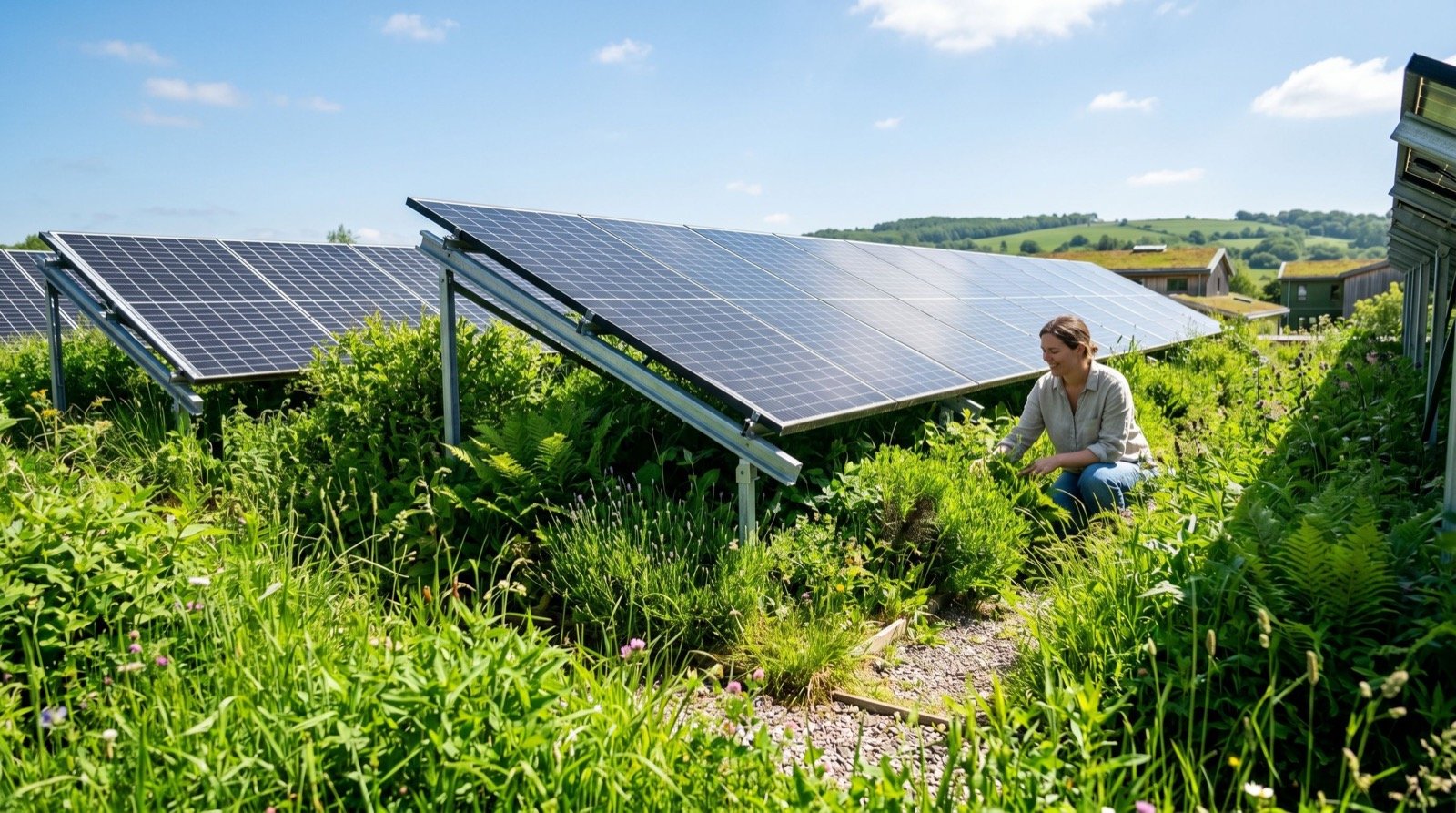
South-facing roofs in Pakistan capture the most sunlight, but east and west slopes still perform well with the right design. If your usable area is limited, higher-efficiency panels squeeze more generation from every square metre, which often justifies their premium.
Climate is the other half of the equation. Pakistan’s intense summer heat reduces panel output as temperatures climb, so look at the temperature coefficient on the datasheet. Panels with a lower coefficient lose less power on scorching days, a meaningful advantage in Punjab and Sindh.
- Roof direction: south is ideal, but tilt and layout can compensate on other faces.
- Available area: small roofs favour premium high-efficiency modules.
- Temperature coefficient: lower values mean better hot-weather performance.
- Dust exposure: plan easy access for regular cleaning in dry regions.
A thoughtful match between panel choice and site conditions is often the difference between a system that merely works and one that quietly outperforms its estimate year after year.
Frequently Asked Questions
How many solar panels do I need for a typical home?
A common Pakistani home with a few air conditioners usually needs a 5 to 10 kW system, which is roughly 9 to 18 modern panels. Your exact count depends on consumption, roof space, and panel wattage.
Are cheaper imported panels a good idea?
Not usually. Bargain panels often lack genuine certification and real warranty support. The small upfront saving is wiped out if they degrade quickly or the seller disappears when a claim arises.
What warranty should solar panels carry?
Expect a 10 to 12 year product warranty and a 25-year performance warranty guaranteeing around 80 to 85 percent output at year 25. Always get these terms in writing from an accountable seller.
How long do solar panels last in Pakistan’s climate?
Quality panels last 25 years or more, degrading only about 0.4 to 0.5 percent per year. Heat and dust reduce short-term output, but regular cleaning and correct installation preserve long-term performance.
Final thoughts
Buying solar is a long-term commitment, so the smart move is to prioritise genuine, certified modules and an accountable seller over the lowest sticker price. Verify certifications, compare itemised quotes, and secure net metering before you commit. When you buy solar panels in Pakistan with this disciplined approach in 2026, you lock in reliable output, real warranty protection, and savings that compound year after year.